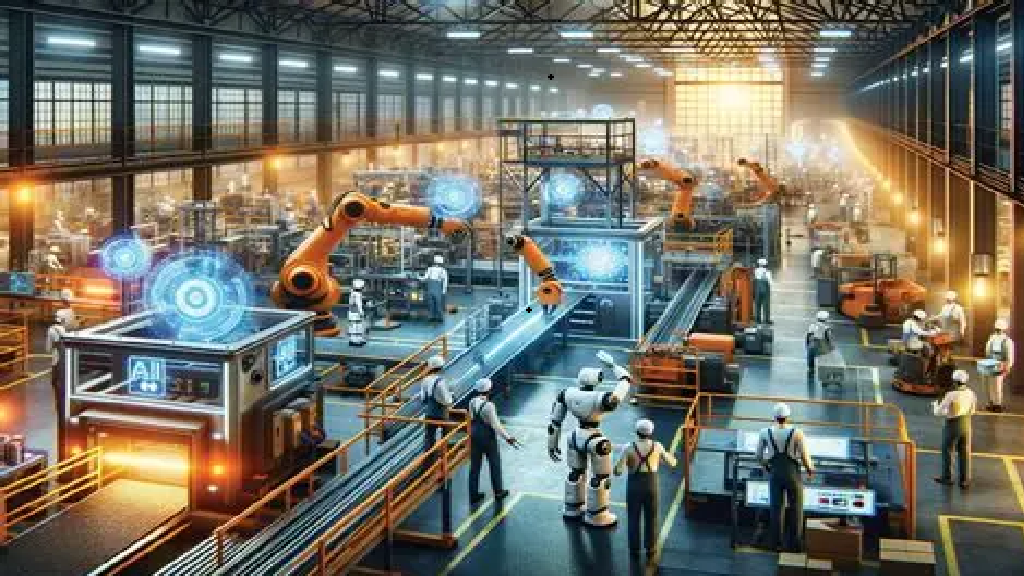
🏭 Industrial IoT Solutions India | What is IIoT & Smart Factory Guide 2026
📌 What is IoT (Internet of Things)?
IoT (Internet of Things) is a system where machines, devices, sensors, and software are connected to the internet to collect and exchange real-time data.
In simple words:
👉 IoT = Machines Talking to Each Other + Real-Time Data + Smart Decisions
🏭 What is Industrial IoT (IIoT)?
Industrial IoT (IIoT) is the use of IoT technology in industries like:
- Manufacturing
- Power Plants
- Warehouses
- Construction
- Water Management
- Energy Systems
It helps businesses monitor, control, and optimize operations automatically.
🚀 Why IoT is Required in Modern Industries
Today’s industries cannot depend only on manual monitoring.
🔥 1. Real-Time Monitoring
Track machines, temperature, energy, and production in real-time.
💰 2. Cost Reduction
- Reduce electricity waste
- Prevent machine breakdown
- Optimize resource usage
⚙️ 3. Automation
IoT systems reduce human dependency and increase efficiency.
📊 4. Data-Driven Decisions
Get reports and analytics to improve performance.
⚠️ 5. Preventive Maintenance
Detect problems before machines fail.
🧠 How to Identify You NEED IoT in Your Industry
Ask yourself these questions:
- ❓ Do you face frequent machine breakdowns?
👉 IoT can monitor machine health. - ❓ High electricity or energy bills?
👉 IoT energy monitoring can reduce cost by 10–30%. - ❓ No real-time production tracking?
👉 IoT production monitoring solves this. - ❓ Manual data entry errors?
👉 IoT automates data collection. - ❓ Managing multiple plants or locations?
👉 IoT gives centralized control.
🚨 If your answer is YES to 2 or more → You NEED IoT
🏭 Types of IoT Solutions for Industries
⚡ Energy Monitoring System (EMS)
- Track electricity usage
- Reduce power cost
🏭 Production Monitoring System (PMS)
- Monitor machine output
- Improve productivity
🌡️ Temperature Monitoring
Used in transformers, panels, and warehouses to maintain critical conditions.
💧 Water Management System
Monitor water usage and quickly detect any leakage to save resources.
🔌 Smart Sensors & Automation
- Real-time alerts
- Automatic control systems
🧠 How IoT Works (Simple Explanation)
- Sensors collect data (temperature, energy, machine status).
- Data is sent to the cloud/server.
- Software analyzes the data.
- Dashboard shows reports to the administrators.
- Alerts are triggered automatically for any deviations.
📊 Benefits of IoT in Industry
- ⏳ 24/7 Monitoring
- 📉 Reduced downtime
- 💰 Cost savings
- 📊 Better decision-making
- 🔐 Improved safety
- 📈 Increased productivity
⚠️ Common Mistakes to Avoid
- ❌ Thinking IoT is only for big industries
- ❌ Not integrating with existing systems
- ❌ Ignoring data analytics
- ❌ Choosing low-quality sensors
🧠 When is the Right Time to Implement IoT?
👉 When:
- Your business is growing
- You want automation
- You face operational inefficiencies
- You want cost control
🚀 Future of IoT in Industry
- Smart factories (Industry 4.0)
- AI + IoT integration
- Predictive analytics
- Fully automated plants
💡 Final Thought
“IoT is not an expense—it is an investment that transforms your industry into a smart, efficient, and profitable system.”
🚀 Call to Action
Upgrade your industry with:
- Industrial IoT Solutions
- Energy Monitoring
- Production Monitoring
- Smart Sensors
👉 Get a customized IoT solution based on your industry needs.